
518.308.8339
Saratoga Springs, NY
518.308.8339
Saratoga Springs, NY

What ‘Grass-Fed’ Really Means: A Regenerative Farmer in New York Exposes the Truth Behind Food Labels

Share on Facebook
Share on X
Share on LinkedIn

Cleaned & Search-Optimized Blog Article:

The Truth About Food Labels, Family Farming, and Regenerative Agriculture in New York: A Farmer’s Perspective

In this eye-opening episode of the Talk Lex Podcast, host Scott Peterson sits down with Eric Lewandowski, a fourth-generation farmer and owner of Slate River Farms in Greenwich, New York. Eric shares his deeply personal and professional journey—one that sheds light on the challenges facing small family farms in New York and across the country, especially those committed to regenerative agriculture.

This isn’t just about farming. It’s about food justice, consumer awareness, environmental responsibility, and what those food labels like “organic” and “grass-fed” really mean.


What Is Regenerative Farming?

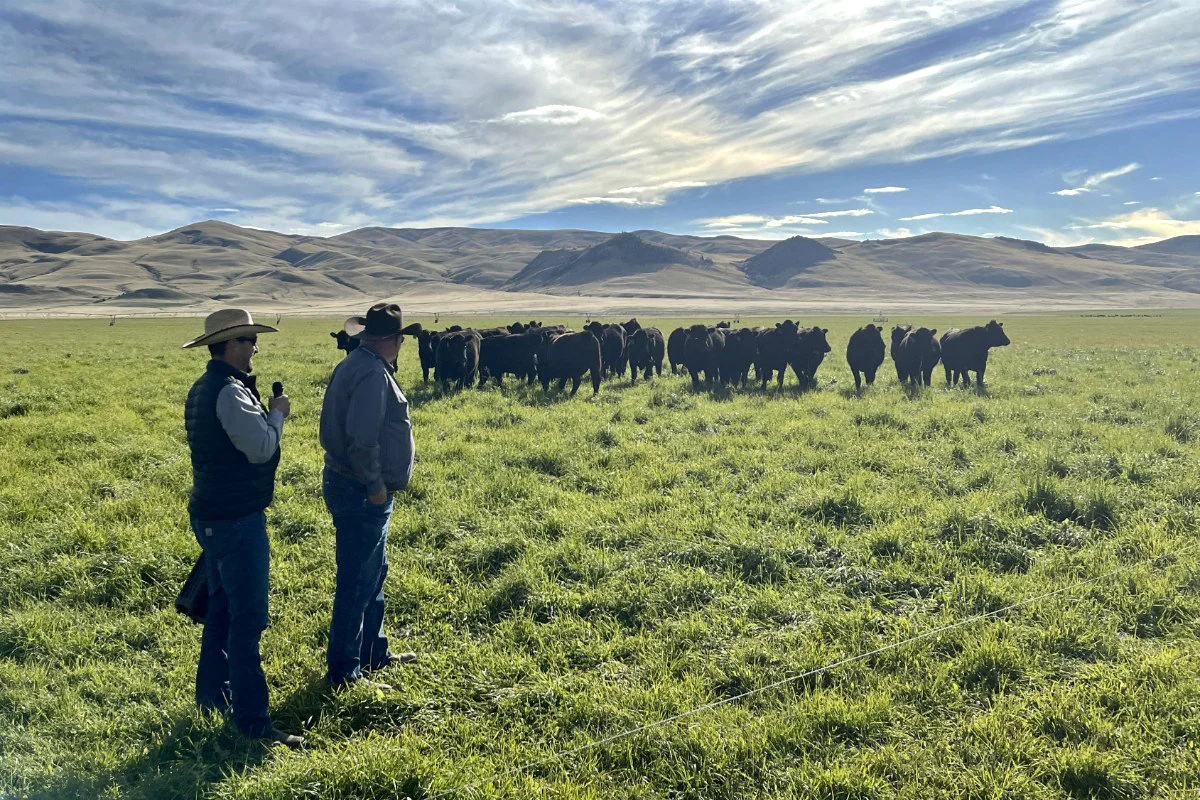
Eric runs Slate River Farms with his family using regenerative practices—meaning they focus on rebuilding soil health, supporting animal welfare, and increasing biodiversity. By rotating livestock over small pasture sections (a method known as rotational grazing), his farm mimics natural ecosystem cycles. This not only improves the land’s ability to absorb water and store carbon, but also increases its long-term productivity.

This approach stands in contrast to industrial farming models that degrade the environment with continuous grazing, overuse of chemicals, and overcrowded animal operations.


Grass-Fed vs. Grain-Fed Beef: What You’re Not Being Told

All cattle start life eating grass—but that’s where the similarity ends. Conventional beef is often “finished” on grain in crowded feedlots to promote rapid weight gain and marbling. Grass-fed beef, like what Eric produces, lives its entire life on pasture, grazing freely.

Not only does this lead to healthier meat—higher in nutrients like Omega-3s—it also minimizes environmental damage. Cattle raised on pasture contribute to soil restoration, avoid the heavy chemical inputs of feedlots, and are treated more humanely.

In New York, where many consumers are looking for ethically raised meat, this distinction matters. Yet food labeling laws don’t always make it easy to spot the difference.


Food Labels: Misleading or Meaningful?

Labels like “organic,” “grass-fed,” “natural,” and “humane” sound reassuring, but Eric warns they can often be vague, loosely regulated, or even self-certified. For instance, USDA organic meat can still come from animals fed organic grain in confinement—not quite the pasture-raised image many shoppers picture.

Even terms like “certified humane” can vary greatly in enforcement. As a result, consumers are left confused—and small, honest farms struggle to compete with large operations that use marketing loopholes to boost their image.

In New York State, where food access and transparency are growing concerns, the need for stricter labeling enforcement and better public education is urgent.


The Economic Struggles of Small Farms in New York

Farming in New York isn’t easy—especially for small, regenerative operations. High land prices, steep property taxes, and labor shortages make it tough for local farms to survive. Big industrial farms have the advantage of government subsidies, machinery, and bulk buying power.

Despite this, small farms are often the ones going the extra mile: caring for animals ethically, protecting soil health, and building community connections through farmers markets and direct-to-consumer programs.

During the COVID-19 pandemic, many consumers turned to local farms as grocery store shelves emptied. That surge in interest helped, but for small farms to thrive long-term, New Yorkers must keep showing up and supporting them directly.


Planning for the Future: Why Farm Succession Matters

Eric also opens up about the challenges of generational transfer—a huge issue for many family-owned farms in New York. Without proper planning, land gets sold off, families fracture, and farms disappear.

Eric’s journey to build a regenerative farm with his wife and children is a reminder that farming isn’t just a job—it’s a legacy. But without structural support, many family farms struggle to make it past the next generation.


Why This Matters for New York Consumers

If you care about what’s on your plate, where it comes from, and how it was made—this conversation matters. Eric urges consumers to:

  • Ask questions about where your food comes from.
  • Visit local farms or shop at farmers markets when you can.
  • Read between the labels—and don’t rely on buzzwords.
  • Support policy that protects small farms and promotes transparent labeling.

Education is power. Knowing what those labels mean (and don’t mean) helps you make informed, ethical choices—while supporting a more sustainable food system in your own backyard.


Final Thoughts

This episode of Talk Lex isn’t just a farming story—it’s a roadmap for change. Through transparency, consumer awareness, and policy reform, we can build a healthier, more ethical, and more sustainable food future in New York and beyond.

As Eric says, “Regenerative farming is not just a method—it’s a philosophy.”


Keywords for SEO:
New York regenerative farming, truth about food labels, grass-fed vs grain-fed beef, organic food labeling New York, small farm struggles NY, Talk Lex podcast, sustainable farming practices, food transparency, how to read food labels, Slate River Farms, ethical farming NY

What ‘Grass-Fed’ Really Means: A Regenerative Farmer in New York Exposes the Truth Behind Food Labels

Cleaned & Search-Optimized Blog Article:

The Truth About Food Labels, Family Farming, and Regenerative Agriculture in New York: A Farmer’s Perspective

In this eye-opening episode of the Talk Lex Podcast, host Scott Peterson sits down with Eric Lewandowski, a fourth-generation farmer and owner of Slate River Farms in Greenwich, New York. Eric shares his deeply personal and professional journey—one that sheds light on the challenges facing small family farms in New York and across the country, especially those committed to regenerative agriculture.

This isn’t just about farming. It’s about food justice, consumer awareness, environmental responsibility, and what those food labels like “organic” and “grass-fed” really mean.


What Is Regenerative Farming?

Eric runs Slate River Farms with his family using regenerative practices—meaning they focus on rebuilding soil health, supporting animal welfare, and increasing biodiversity. By rotating livestock over small pasture sections (a method known as rotational grazing), his farm mimics natural ecosystem cycles. This not only improves the land’s ability to absorb water and store carbon, but also increases its long-term productivity.

This approach stands in contrast to industrial farming models that degrade the environment with continuous grazing, overuse of chemicals, and overcrowded animal operations.


Grass-Fed vs. Grain-Fed Beef: What You’re Not Being Told

All cattle start life eating grass—but that’s where the similarity ends. Conventional beef is often “finished” on grain in crowded feedlots to promote rapid weight gain and marbling. Grass-fed beef, like what Eric produces, lives its entire life on pasture, grazing freely.

Not only does this lead to healthier meat—higher in nutrients like Omega-3s—it also minimizes environmental damage. Cattle raised on pasture contribute to soil restoration, avoid the heavy chemical inputs of feedlots, and are treated more humanely.

In New York, where many consumers are looking for ethically raised meat, this distinction matters. Yet food labeling laws don’t always make it easy to spot the difference.


Food Labels: Misleading or Meaningful?

Labels like “organic,” “grass-fed,” “natural,” and “humane” sound reassuring, but Eric warns they can often be vague, loosely regulated, or even self-certified. For instance, USDA organic meat can still come from animals fed organic grain in confinement—not quite the pasture-raised image many shoppers picture.

Even terms like “certified humane” can vary greatly in enforcement. As a result, consumers are left confused—and small, honest farms struggle to compete with large operations that use marketing loopholes to boost their image.

In New York State, where food access and transparency are growing concerns, the need for stricter labeling enforcement and better public education is urgent.


The Economic Struggles of Small Farms in New York

Farming in New York isn’t easy—especially for small, regenerative operations. High land prices, steep property taxes, and labor shortages make it tough for local farms to survive. Big industrial farms have the advantage of government subsidies, machinery, and bulk buying power.

Despite this, small farms are often the ones going the extra mile: caring for animals ethically, protecting soil health, and building community connections through farmers markets and direct-to-consumer programs.

During the COVID-19 pandemic, many consumers turned to local farms as grocery store shelves emptied. That surge in interest helped, but for small farms to thrive long-term, New Yorkers must keep showing up and supporting them directly.


Planning for the Future: Why Farm Succession Matters

Eric also opens up about the challenges of generational transfer—a huge issue for many family-owned farms in New York. Without proper planning, land gets sold off, families fracture, and farms disappear.

Eric’s journey to build a regenerative farm with his wife and children is a reminder that farming isn’t just a job—it’s a legacy. But without structural support, many family farms struggle to make it past the next generation.


Why This Matters for New York Consumers

If you care about what’s on your plate, where it comes from, and how it was made—this conversation matters. Eric urges consumers to:

  • Ask questions about where your food comes from.
  • Visit local farms or shop at farmers markets when you can.
  • Read between the labels—and don’t rely on buzzwords.
  • Support policy that protects small farms and promotes transparent labeling.

Education is power. Knowing what those labels mean (and don’t mean) helps you make informed, ethical choices—while supporting a more sustainable food system in your own backyard.


Final Thoughts

This episode of Talk Lex isn’t just a farming story—it’s a roadmap for change. Through transparency, consumer awareness, and policy reform, we can build a healthier, more ethical, and more sustainable food future in New York and beyond.

As Eric says, “Regenerative farming is not just a method—it’s a philosophy.”


Keywords for SEO:
New York regenerative farming, truth about food labels, grass-fed vs grain-fed beef, organic food labeling New York, small farm struggles NY, Talk Lex podcast, sustainable farming practices, food transparency, how to read food labels, Slate River Farms, ethical farming NY

Attorney Advertising
Website developed in accordance with Web Content Accessibility Guidelines 2.2.
If you encounter any issues while using this site, please contact us: 518.308.8339
518.308.8339
Saratoga Springs, NY
518.308.8339
Saratoga Springs, NY