
Every week, the news brings another story that makes people ask: “Is that even legal?”
Three recent high-profile cases discussed on the Litigious podcast highlight how the civil justice system works when something goes wrong — and why these issues matter to New Yorkers and their legal rights.
1. When Police Use Deadly Force
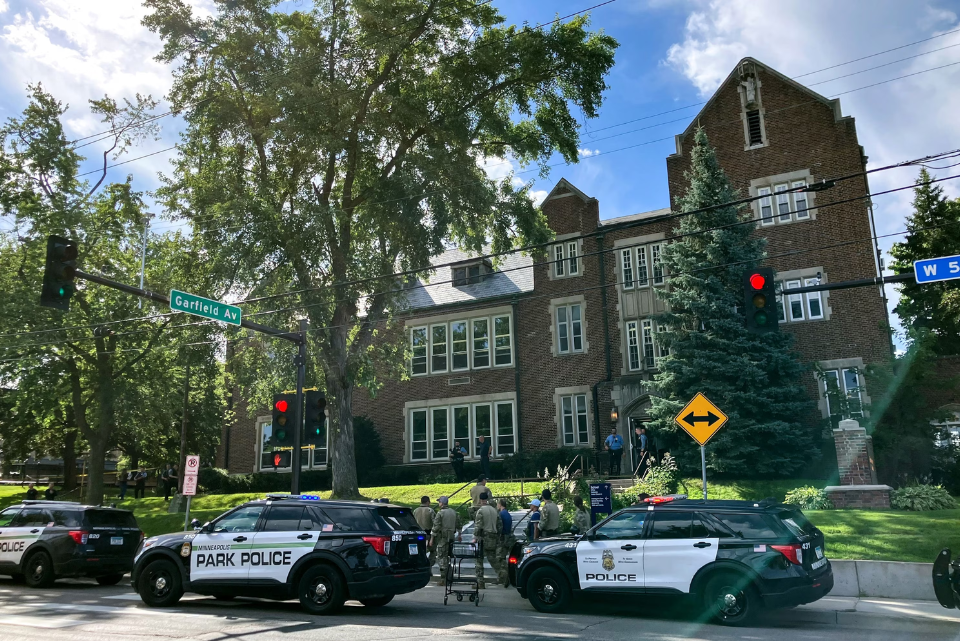
A recent case in Minnesota involved a woman who was shot and killed by an ICE agent during a traffic stop. The internet is divided, but legally the question is simple:
Was deadly force reasonably necessary in that moment?
Police are allowed to use deadly force only when there is an immediate threat of serious harm. They generally cannot shoot just because someone is fleeing or because a car is moving — unless the vehicle is being used as a deadly weapon and there is no other way to escape danger.
In New York, police shootings are typically reviewed by independent investigators and the Attorney General’s office. Even if an officer is cleared, families often pursue wrongful death civil lawsuits to uncover the full truth.
2. Can You Be Fired for a Social Media Post?
A tenured college professor in Tennessee was fired after sharing a controversial article online. The university later reinstated him and paid $500,000 after realizing it did not follow proper procedures.
In New York, most workers are “at-will,” but not all. Some employees have contracts, union protection, civil service status, or tenure. Even private schools and employers can get into serious legal trouble if they:
- Don’t follow their own rules
- Punish people inconsistently
- React too quickly to social media pressure
Knee-jerk firings often lead to expensive lawsuits.
3. Underage Drinking and Tragic Accidents
In another case, parents are suing after their daughter died following a college tailgate where she was allegedly underage and over-served alcohol.
In New York, Dram Shop laws can hold businesses or hosts responsible if they serve alcohol to a minor or someone visibly intoxicated and that leads to injury or death. These cases are emotionally difficult and legally complex — and often depend on detailed investigations and expert testimony.
The Big Picture
All of these cases show why the civil justice system exists:
- To uncover what really happened
- To hold people or institutions accountable
- To provide answers and compensation when tragedy strikes
What This Means for New Yorkers
If you or a loved one were:
- Injured in a police-related incident
- Fired unfairly
- Hurt due to alcohol being served negligently
You may have important legal rights under New York law.